
IRS is Intensifying the Crackdown on Identity Theft
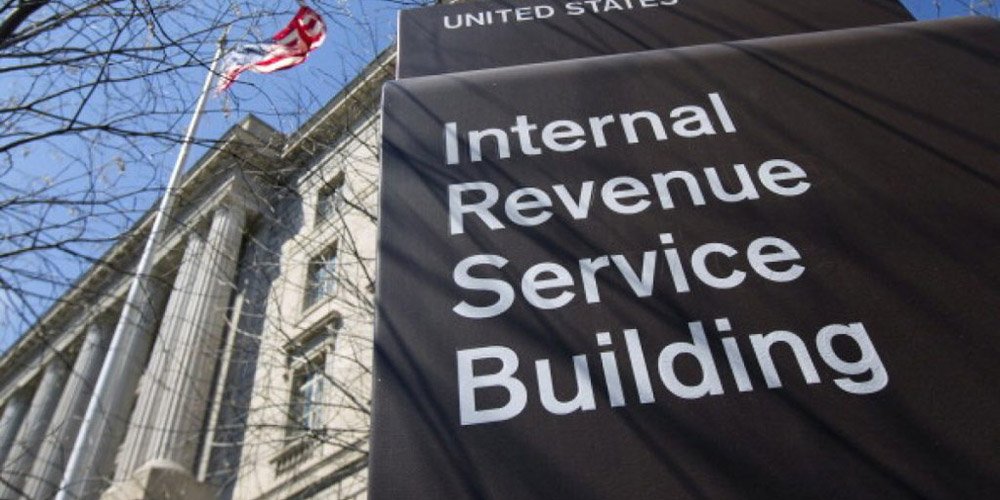
Tax fraud through the use of identity theft is on the top of the list for tax scams monitored by the Internal Revenue Service. Identity theft occurs when someone uses personal information (i.e. name, social security number or other identifying information) without your permission to commit fraud or another crime. There has been an increase in the occurrence of identity thieves using taxpayers personal information to file fraudulent tax returns and receive refund checks.
Due to the increase in this type of theft the IRS has established new policies in an attempt to prevent identity theft and detect refund fraud. In January 2013 the IRS conducted a successful identity theft enforcement sweep that lead to 734 enforcement actions including 298 indictments, complaints and arrests. The Criminal Investigations Unit of the IRS has devoted more than 500,000 staff-hours to fighting identity theft issues.
The most common way that identity thieves obtain personal information is through phishing. Phishing is a scam whereby an unsolicited e-mail is sent or a fake website is set up to pose as a legitimate site to lure victims to provide valuable personal information. It is important to understand that the IRS will not initiate contact by e-mail to request personal or financial information. If you receive any e-mail that indicates that it came from the Internal Revenue Service you should immediately be suspicious that it is a scam and not provide any information.
If you receive an e-mail claiming to be from the IRS that requests personal information – do not reply, do not open any attachments, and do not click on any links. You can forward the e-mail directly to the IRS at phishing@irs.gov. After you forward the e-mail, delete the original e-mail. If you discover a website that claims to be the IRS that you suspect may be fraudulent you can send the URL of the suspicious site to phishing@irs.gov. Add “Suspicious website” to the subject line of your e-mail.
You may also receive fraudulent faxes, text messages, phone calls or letters claiming to be from the IRS – in today’s environment you cannot be too careful. It is always acceptable to question the legitimacy of any communication and contact the IRS before providing any information.
If you believe you are a victim of identity theft or that you are at risk of identity theft due to stolen information you should contact the IRS Identity Protection Unit immediately at 1-800-908-4490. They will ask you to complete the IRS Identity Theft Affidavit. It is also possible that if the IRS believes you are a victim of identity theft they may send a notice indicating identity theft. If you receive such a notice you should contact the IRS and follow the instructions on the notice.
Additional REsources
A Few Other Resources We’ve Created for Our Customers

Financial Frontrunners
With over 35 years of experience, Shirley "Toni" McCord, CPA, utilizes specialized certifications to provide strategic tax resolution and consulting services for small to midsize businesses and households. The firm emphasizes a flexible,...

IRS Payment Changes Coming September 30, 2025
Beginning September 30, 2025, the IRS will no longer accept paper checks (and refund checks will no longer be issued). This is due to an Executive Order signed by the President in March. These changes are meant to modernize federal payment systems by eliminating paper...

Ask the Executive
The article details her leadership philosophy, emphasizing the importance of transparency, family influence, and maintaining a healthy work-life balance for her team.